




The brief
What we were asked for.
The brief had two positioning lines: East Toronto specialist, and move-up buyers. Most agent sites would turn that into a headline and a stock photo of a porch.
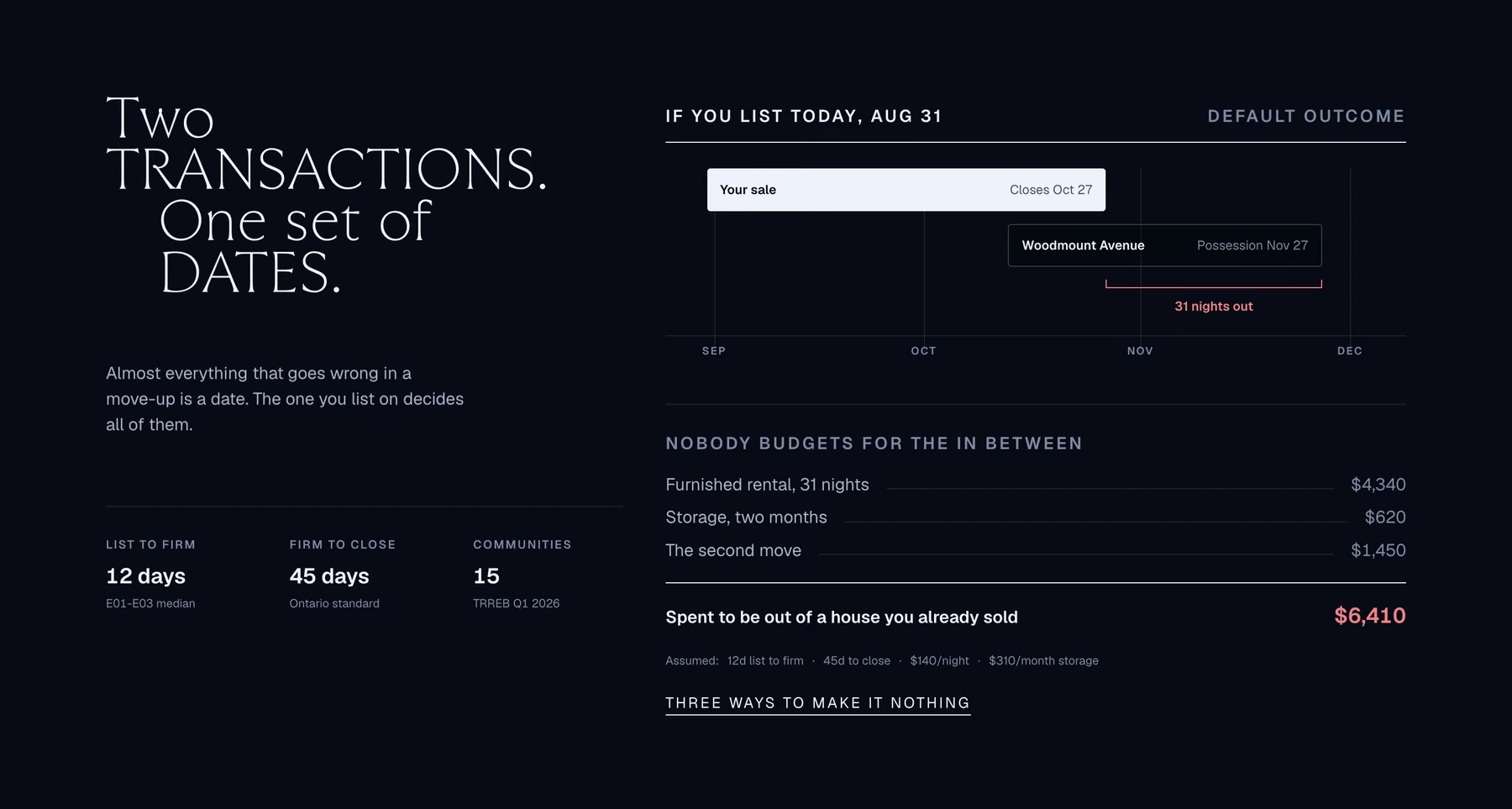
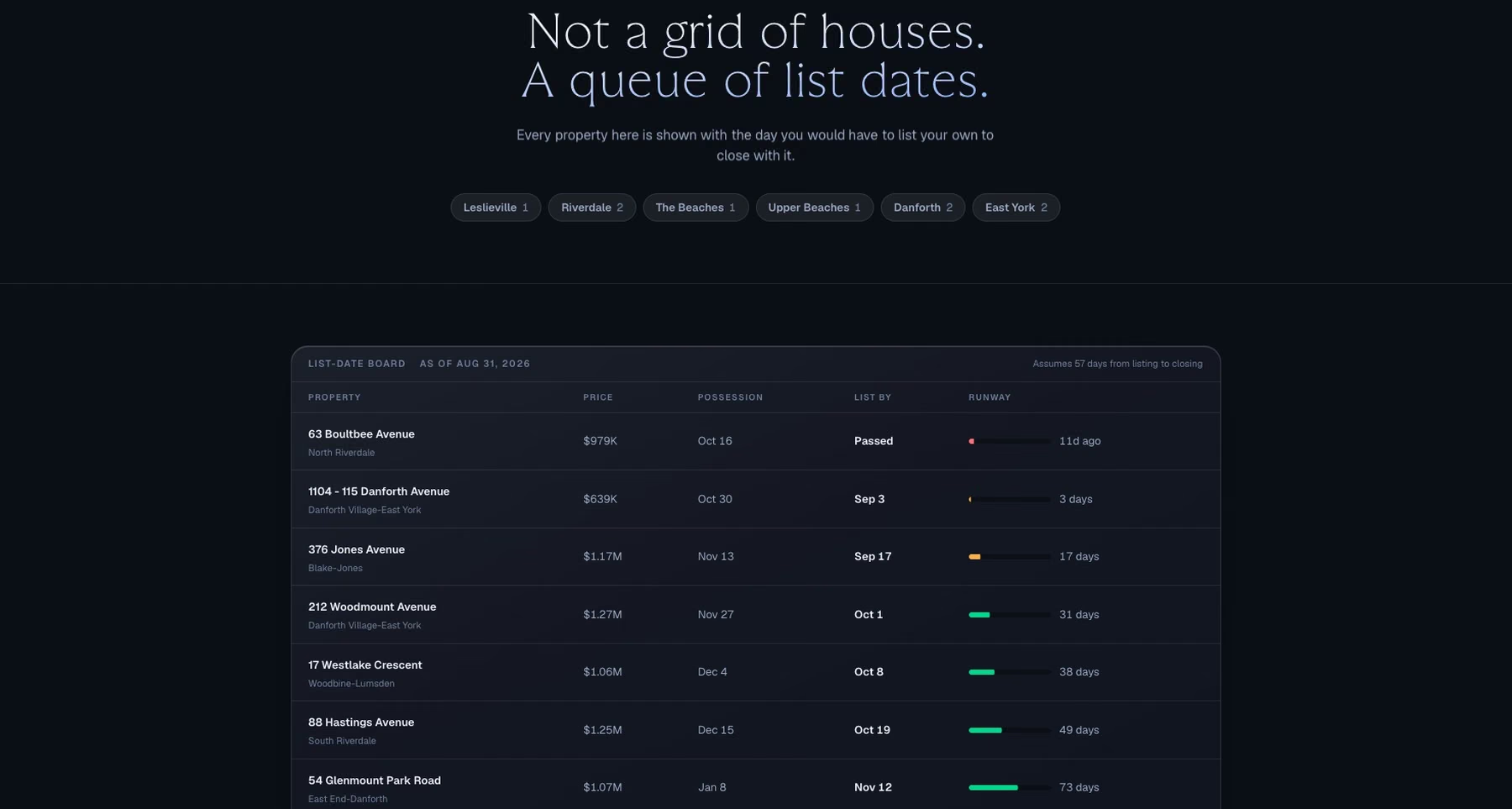
We looked for the problem underneath. A move-up is two transactions. You own your current home until its sale closes, and you own the next one from its possession date. If those dates overlap you carry both homes and pay for bridge financing. If they leave a gap you pay for rent, storage and a second move. The date you list decides which one you get.
That is a mechanism, and a mechanism can be drawn. So the site shows it, with real numbers, and lets a visitor run their own.
The build
What we built.
Move-up simulator
A visitor enters what their home is worth, what they owe, their savings and a target price. The simulator works out the equity they can release and the down payment it covers, then lays out the timeline for selling first, buying first or closing both on the same day, with the estimated cost of the gap or the overlap.
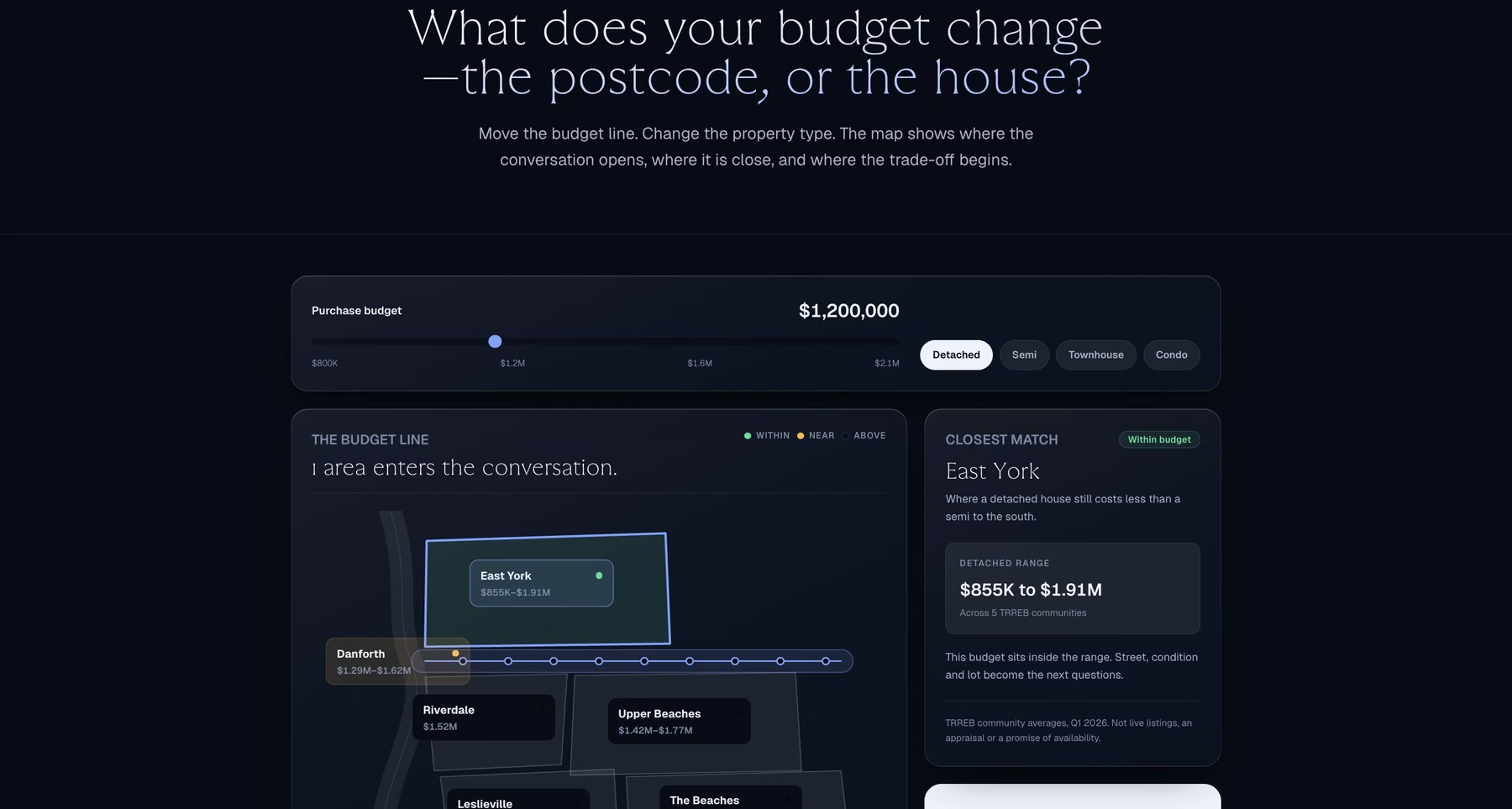
East Toronto price map
A hand-drawn SVG map of six neighbourhoods with a budget line and a property-type switch. Move the budget and the map shows where it reaches, where it is close and where the trade-off starts. The Line 2 subway is drawn in with its nine stations, because it explains the prices on either side of it.
Ask East Toronto
A chat-style market guide. It answers questions about budgets, property types and neighbourhoods from the same dataset as the map and the simulator, and it shows the records behind each answer.
Sourced market data
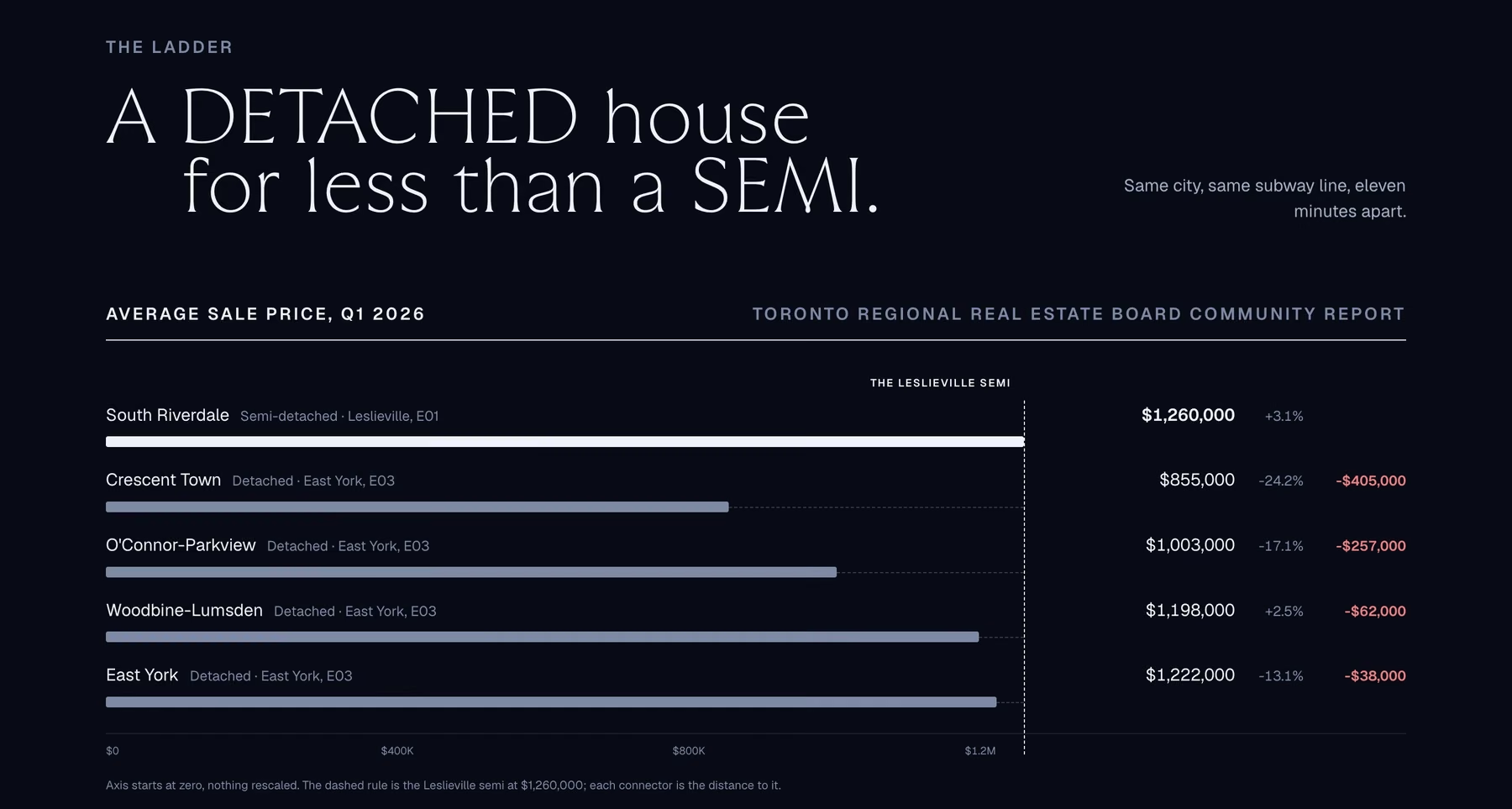
Average sale prices by property type for all 15 TRREB communities in districts E01, E02 and E03, for Q1 2026 against Q1 2025. A script extracts the figures from the published TRREB reports and validates each value, so nothing is typed in by hand.
News the client edits
Articles are written and published in Sanity. A webhook refreshes the live site seconds after the client hits Publish, and the pages stay statically generated.
Search and booking, kept where they were
The client already used BoldTrail for listing search and Calendly for bookings. Every search and booking action on the site hands off to those, and each destination is one line of config.
The real estate layer
Every number on the site can be checked.
Agent websites are full of market stats with no source and no date. This one is positioned against that, so the data had rules.
Period and district are always stated
Wherever a figure appears, the quarter and the TRREB district appear with it. A reader can open the board's own report and find the same number.
Ranges where an average would mislead
A neighbourhood like East York spans several TRREB communities with very different prices. The site shows the range across them and leaves the blended average out.
The headline comparison is computed
The homepage compares what a semi-detached home costs in one community with what a detached home costs in another. That comparison is calculated when the page is built, so it updates with next quarter's data and cannot go stale quietly.
Dataset structured data
The market figures are marked up as a Dataset with a named publisher and a coverage period. Search engines and AI assistants can cite them as data.
Under the hood
Decisions worth explaining.
A drawn map over a Google Maps embed
An embed is a third-party script that costs load time and looks like every other agent site. The SVG weighs almost nothing, stays sharp at any zoom, and every region on it is a real link a crawler can follow.
Every route prerendered
The content is in the HTML before any JavaScript runs. That is what makes it readable by Google and by the AI crawlers that never execute scripts.
Assumptions shown beside results
The simulator runs on stated assumptions: days from listing to a firm offer, days to close, a bridge rate, a nightly rent. Each one is printed next to the number it produces. The result is labelled as an estimate and a starting point for a conversation.
Dark by default, light on a toggle
The theme is set by one attribute before first paint, so a returning visitor never sees a flash of the wrong one.
Want something like this for your own market? See how we build real estate websites.
How the websites work